Beyond Solar: Innovative Energy Storage Solutions for Modern Apartments
CategoriesSustainable Innovation

Beyond Solar: Innovative Energy Storage Solutions for Modern Apartments

Beyond Solar: Innovative Energy Storage Solutions for Modern Apartments

As the Los Angeles multi-family market visualizes its future in 2026, the intersection of regulatory compliance and institutional asset valuation is shifting. For decades, “sustainability” in housing was synonymous with rooftop photovoltaic (PV) systems. While solar remains foundational, the market has matured; solar is now the baseline, not the differentiator.

The defining frontier for de-risking investments and maximizing Net Operating Income (NOI) in Southern California is now energy resilience—specifically, behind-the-meter (BTM) energy storage. In a landscape defined by an aging grid, escalating peak-demand charges, and the mandate of the CalGreen Building Standards, forward-thinking developers must transition from passive energy generation to active energy management.

Under the leadership of CEO Lara Okunubi, Ideal Residence is pioneering this transition, integrating advanced storage technologies not as luxury add-ons, but as core infrastructure critical to long-term asset performance.

The Economic Imperative: Why Solar Requires Storage

Rooftop solar is inherently intermittent. The energy generated in L.A.’s abundant sunshine often does not align with the peak usage times of apartment residents, typically early mornings and late evenings. Without storage, developers are forced to sell excess power back to the grid at low rates, only to repurchase it at premium “Time-of-Use” (TOU) rates when demand spikes.

By integrating innovative energy storage solutions, Ideal Residence assets capture and store this self-generated power. This strategic shift allows our developments to:

  • Arbitrage Energy Costs: We utilize stored, low-cost energy during peak rate windows, drastically reducing Operational Expenses (OpEx).

  • Enhance NOI: Lower utility expenditures directly correlate to higher Net Operating Income, subsequently increasing the overall valuation of the asset for institutional investors and private equity partners.

Technological Frontier: Moving Beyond Standard Batteries

The industry standard is rapidly evolving beyond simple, centralized Lithium-ion battery packs. The next generation of BTM solutions focuses on intelligence and integration. At Ideal Residence, we are deploying advanced energy management systems (EMS) coupled with diverse storage technologies:

  • Intelligent Load Management: We utilize AI-driven EMS that analyze historical usage data and weather patterns. These systems predict peak demand and dispatch stored energy proactively, optimizing consumption across the entire 80-unit development.

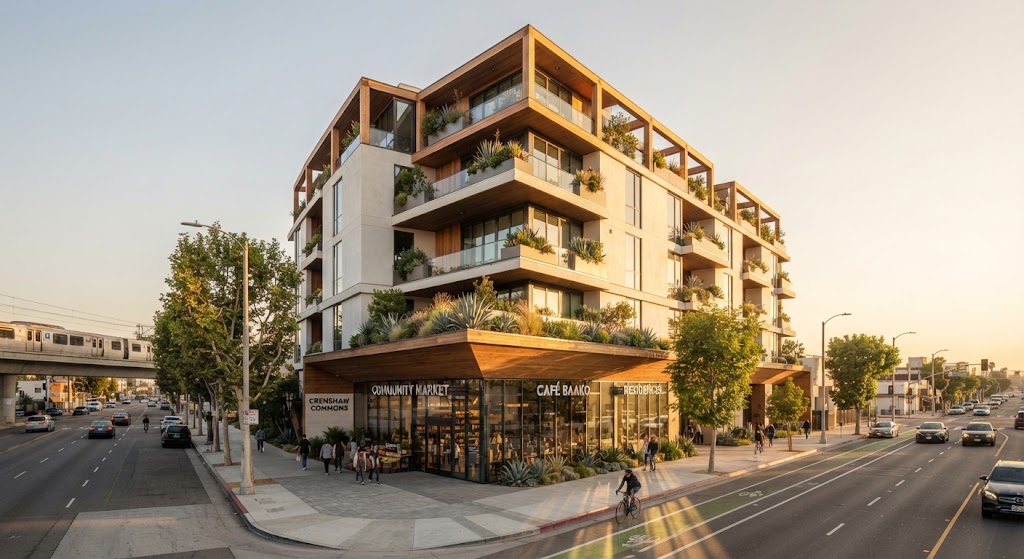
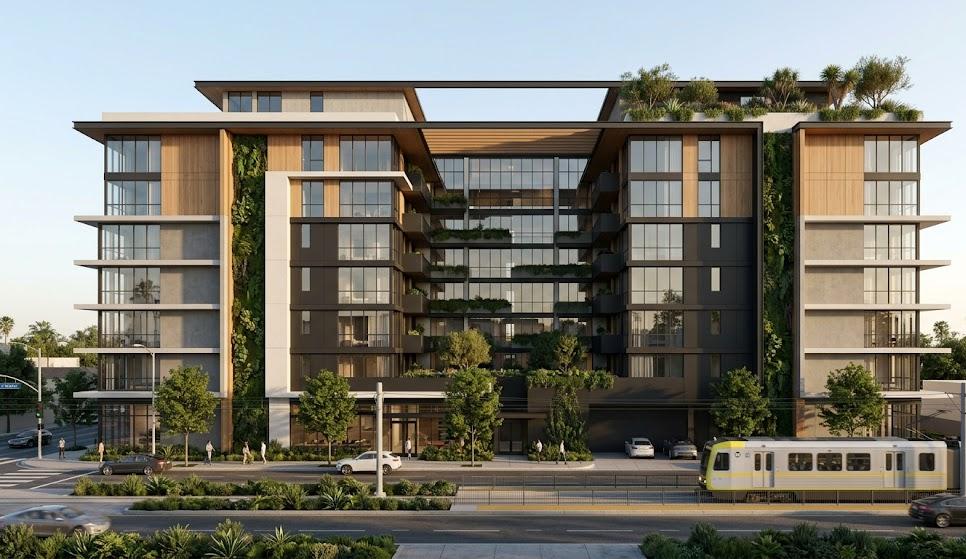
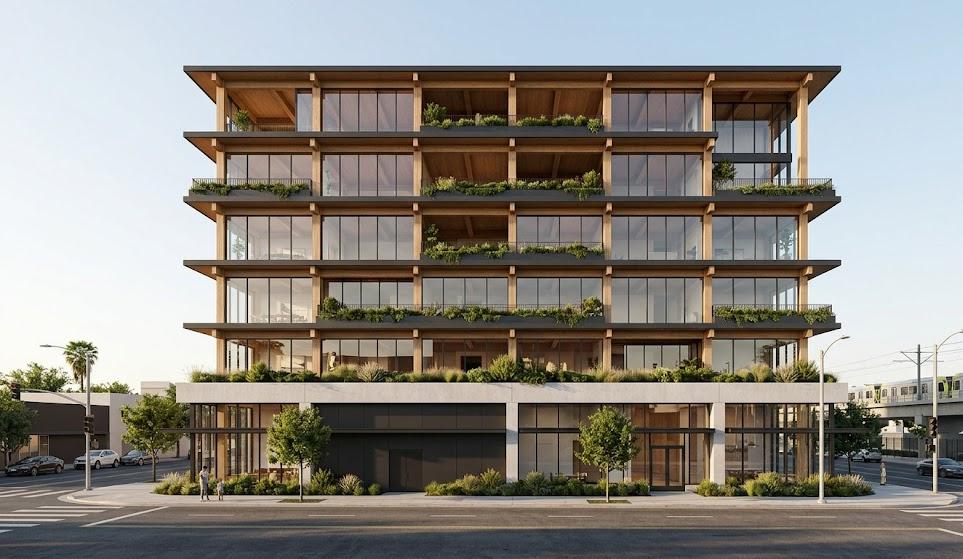
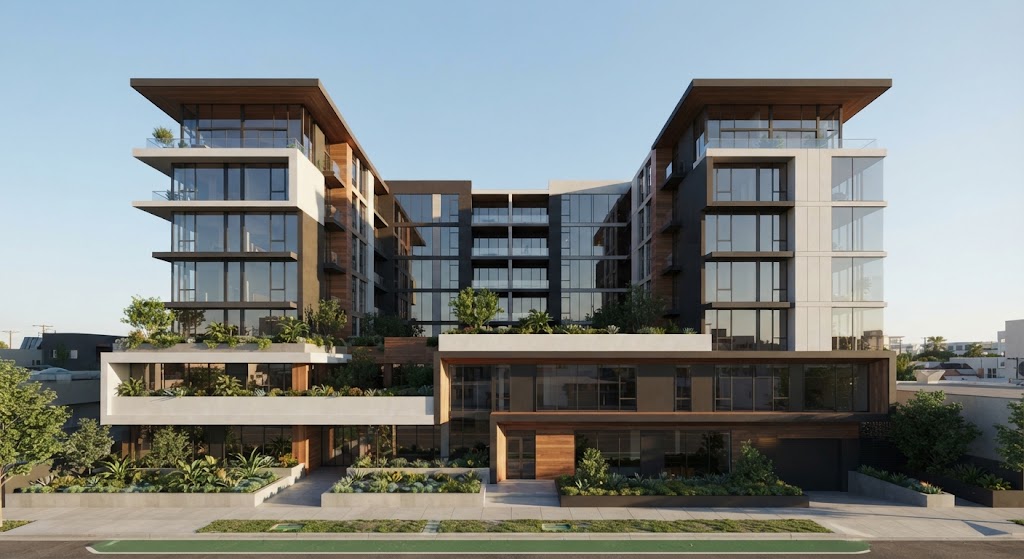
  • Decentralized Modular Storage: In our upcoming 7-story, mixed-use project in the high-growth Crenshaw Corridor, we are exploring decentralized, modular units integrated directly into the building’s electrical closets on each floor. This approach reduces transmission loss and provides targeted resilience.

  • Alternative Chemistries: While Lithium-ion remains dominant, we are actively evaluating solid-state and flow battery technologies for their enhanced lifecycle count, reduced degradation, and improved safety profiles—critical for high-density multi-family structures.

The L.A. Regulatory Context and “De-Risking” Assets

Energy storage is no longer just an economic advantage; it is rapidly becoming a regulatory necessity in Southern California. L.A.’s Transit-Oriented Communities (TOC) Incentive Program, while offering significant Floor Area Ratio (FAR) bonuses, increasingly emphasizes comprehensive eco-resilience.

Developments that rely solely on a vulnerable external grid present a higher risk profile to commercial lenders and institutional partners. By integrating robust energy storage, Ideal Residence de-risks these assets against potential “Measure ULA” pressures and future mandates. We move beyond simple CalGreen compliance, aligning our projects with the smart-grid integration goals required by the developing K Line infrastructure.

The Future of Development

The Los Angeles skyline is being redefined not just by height, but by the infrastructure hidden within. The future of sustainable, transit-oriented development requires a holistic approach where energy generation and energy orchestration are unified.

At Ideal Residence, we view sophisticated energy storage as the catalyst that unlocks the full potential of urban development. By mastering this technology, we ensure our assets remain resilient, compliant, and—crucially—exceptionally profitable for the long term.

Lara Okunubi CEO, Ideal Residence

Water Scarcity and Real Estate: Leveraging Greywater Systems in L.A. Developments
CategoriesSustainable Innovation

Water Scarcity and Real Estate: Leveraging Greywater Systems in L.A. Developments

Water Scarcity and Real Estate: Leveraging Greywater Systems in L.A. Developments

The investment landscape for Los Angeles multi-family housing is undergoing a fundamental shift. While traditional metrics like location and unit count remain paramount, a new, critical variable has entered the equation: water resilience. As the region navigates a persistent, climate-driven drought and volatile precipitation patterns, institutional investors must scrutinize the water security of their assets. At Ideal Residence, led by CEO Lara Okunubi, we recognize this not merely as a regulatory checkbox, but as a strategic differentiator that directly impacts asset valuation and de-risks long-term holds.

Forward-thinking developers are looking beyond simple, efficient fixtures. The frontier of sustainable urban development lies in the integration of on-site greywater recycling systems. This technology, which captures, filters, and reuses wastewater from sinks, showers, and washing machines for non-potable purposes like landscape irrigation and toilet flushing, offers a compelling solution. It transforms a primary variable cost into a sustainable, closed-loop resource, fundamentally altering the operating expense (OpEx) profile of a building.

The Institutional Case for Greywater Recycling

From a purely financial perspective, the rationale is strong. By significantly reducing a building’s demand for municipal water, greywater systems achieve substantial, long-term savings on water and sewer utilities. This reduction in OpEx directly boosts Net Operating Income (NOI). In a compressed capitalization rate environment, even a marginal increase in NOI can translate into millions of dollars in increased asset value at disposition.

Furthermore, integrating these systems significantly de-risks a property. As Los Angeles’s water constraints tighten, the potential for rising municipal water rates and more stringent usage restrictions increases. Properties with independent water reuse capabilities are insulated from these shocks, ensuring operational stability and making them far more attractive to sophisticated, risk-averse capital partners. Institutional investors are increasingly benchmarking assets against rigorous ESG criteria, and a robust greywater system provides a tangible, measurable metric of environmental performance.

Navigating the Regulatory Landscape in Los Angeles

The political will to address water scarcity is evident across Southern California. In Los Angeles, the regulatory framework increasingly incentivizes water-efficient development. The state’s CalGreen Building Standards Code already mandates certain efficiency measures, and municipal programs are providing additional carrots.

Developments that integrate advanced sustainable technologies can often unlock valuable incentives, particularly under the city’s robust Transit-Oriented Communities (TOC) Incentive Program. We meticulously evaluate how water reuse systems can be part of a broader sustainability package that potentially grants Floor Area Ratio (FAR) bonuses, increased density, or other entitlement benefits. For Ideal Residence, this isn’t just about resource conservation; it’s a critical tool for optimizing the development yield and overall project IRR.

Case Study: Innovation in the Crenshaw Corridor

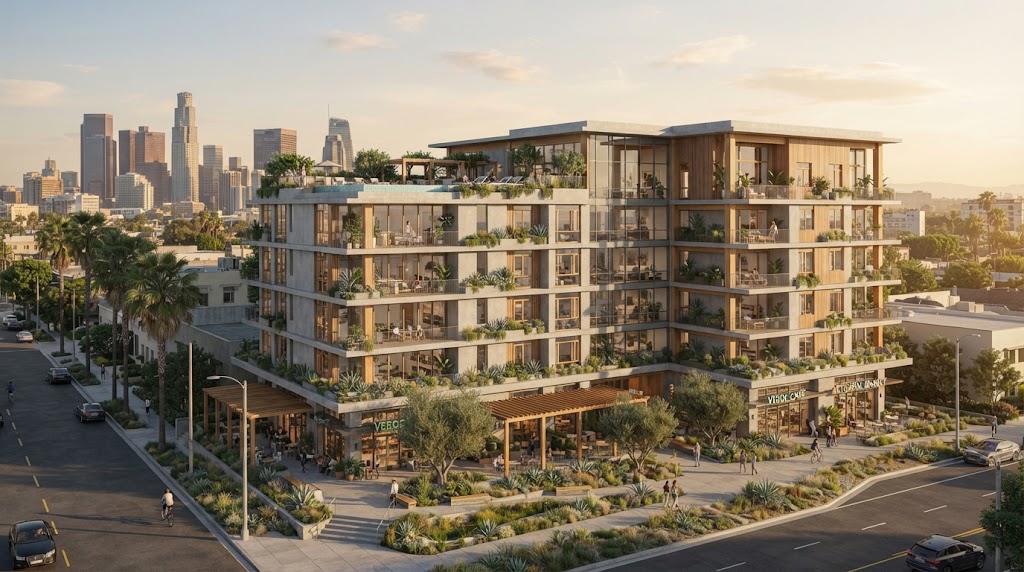
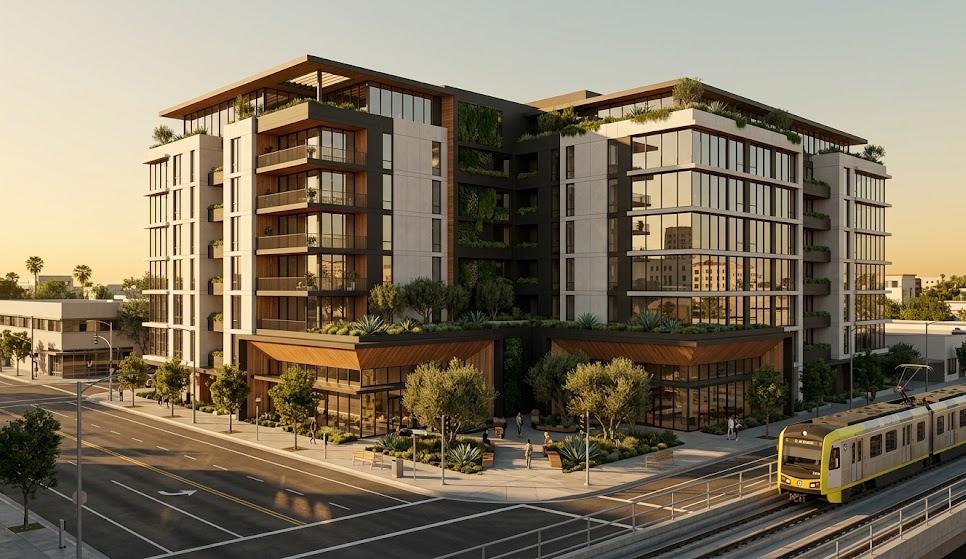
To demonstrate this strategy in action, consider our upcoming 7-story, 80-unit mixed-use development located along the high-growth Crenshaw Corridor. This project is a prime example of transit-oriented, community-centric housing development that leverages state-of-the-art sustainability.

Given its location near critical K Line infrastructure, the project already qualifies for significant TOC benefits. By integrating a sophisticated greywater filtration system, we are pushing the sustainability envelope. The recycled water will be used for all on-site landscaping and, potentially, for flushing in common area restrooms. This proactive approach significantly reduces the building’s potable water footprint, aligning perfectly with the long-term goals of the community and the city’s eco-resilient design objectives. This isn’t just an “amenity”; it’s a core operational efficiency that enhances the asset’s overall resilience and marketability.

The Future of the L.A. Skyline

The future of real estate development in Los Angeles is green, transit-oriented, and above all, water-smart. We are past the era where basic compliance is sufficient. Lara Okunubi and the Ideal Residence team believe that the buildings that will define the L.A. skyline in 2030 and beyond are those being built with integrated, resilient infrastructure today.

For institutional investment partners seeking exposure to the high-demand L.A. multi-family market, assets built with this level of forward-thinking strategy offer the best combination of strong returns and robust risk mitigation. We invite you to explore a strategic partnership with Ideal Residence to capitalize on this and other innovative opportunities across Southern California.

How Passive House Design Reduces Operating Costs for Multi-Family Assets
CategoriesSustainable Innovation

How Passive House Design Reduces Operating Costs for Multi-Family Assets

How Passive House Design Reduces Operating Costs for Multi-Family Assets
By Lara Okunubi, CEO, Ideal Residence

In 2026, the Los Angeles multi-family market faces a crucial pivot point. Developers and institutional investors are increasingly caught between rising construction and utility costs and stringent environmental mandates, such as the Measure ULA transfer tax and the California Green Building Standards Code (CalGreen). Simultaneously, discerning tenants are demanding sustainable living spaces that offer superior air quality and reduced energy burdens. The traditional response—marginal energy-efficiency upgrades—is no longer a viable long-term strategy. To genuinely de-risk assets and secure superior returns in the Southern California landscape, the investment thesis must pivot toward Passive House design.

Passive House as a Financial Tool: Beyond “Greenwashing”
Passive House design is not just an environmental accolade; it is a rigorous engineering standard focused on optimizing a building’s thermal performance to an extreme degree. It relies on super-insulation, airtight construction, high-performance windows, thermal-bridge-free detailing, and mechanical ventilation with heat recovery. While this requires a modest uplift in initial hard costs, typically ranging from 3% to 5% for experienced developers, the immediate impact on a building’s operational pro-forma is profound and permanent.

The primary financial metric optimized by Passive House is Net Operating Income (NOI). It achieves this by aggressively targeting the asset’s most significant recurring operational expenditure: energy usage.

Drastically Reducing Operating Expenses (OpEx) through Energy Arbitrage
Traditional multi-family buildings devote a significant portion of their OpEx to space heating and cooling. Passive House design can reduce these energy demands by up to 90% compared to typical existing housing stock. In the Los Angeles climate, where extreme heat waves are becoming more frequent, the monetary savings are substantial.

Minimized Utility Bills: By maintaining consistent interior temperatures with negligible active heating or cooling, a Passive House asset effectively isolates its cash flow from the volatility of local energy markets. This stability creates a significant competitive advantage when structuring tenant utility agreements, whether sub-metered or RUBS (Ratio Utility Billing System).

Grid Resiliency & Smart-Grid Integration: The reduced total energy load makes Passive House developments ideal candidates for solar photovoltaic (PV) and battery storage integration. In transit-oriented communities like the Crenshaw Corridor, where the grid may face strain, this allows the asset to engage in smart-grid energy arbitrage, further enhancing NOI by generating revenue through energy export or minimizing peak-demand charges.

The Synergy: Passive House + LA’s TOC Program
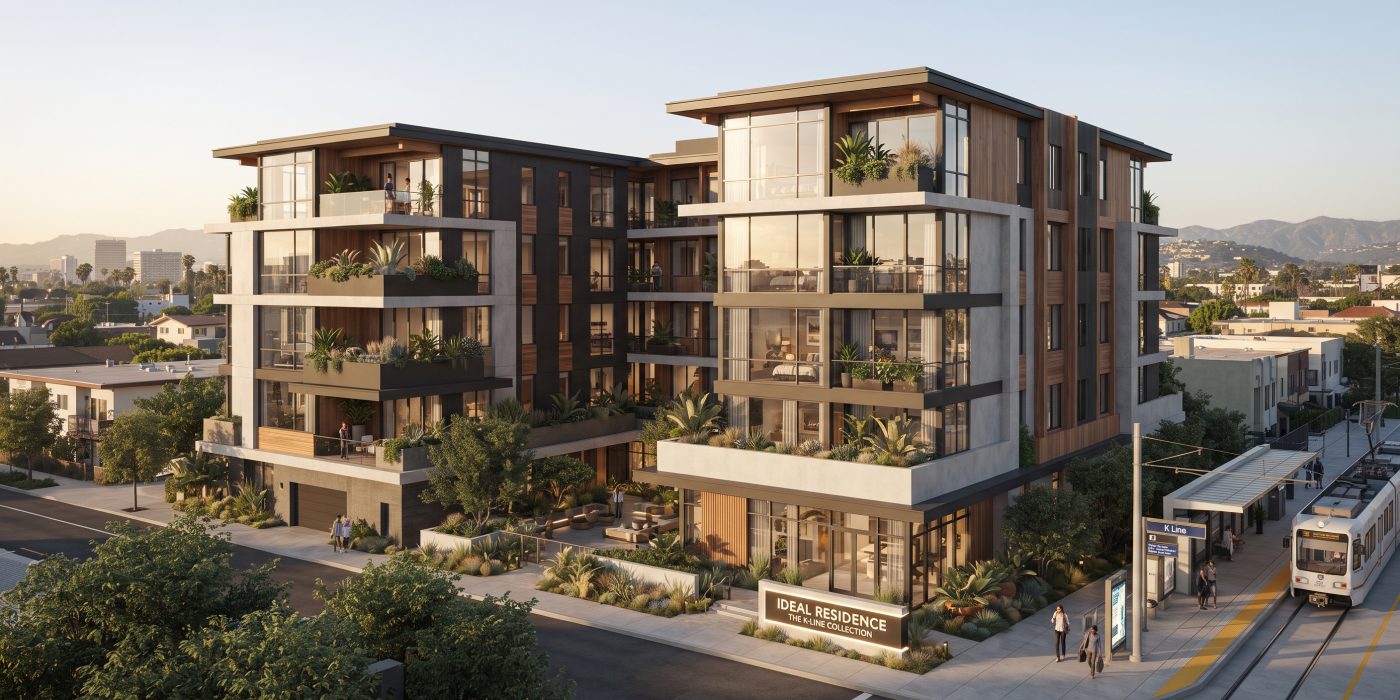
Ideal Residence is proactively applying these principles to its upcoming signature project: a 7-story, 80-unit mixed-use development in South L.A. This project leverages Los Angeles’s Transit-Oriented Communities (TOC) Incentive Program, maximizing density near key K Line infrastructure. The financial calculus is synergistic: the extra density allowed by the TOC (increased FAR bonuses) offsets the marginally higher per-square-foot construction costs of Passive House construction, while the resulting asset achieves ultra-low long-term operating costs and commands premium rents due to high tenant comfort and health standards.

Sustained Asset Valuation and Future-Proofing
Furthermore, the long-term asset valuation for a Passive House development is consistently higher than a conventional build. These assets are inherently eco-resilient, designed to maintain habitable conditions during grid failures or extreme weather events. As municipalities in Southern California enact stricter building emissions standards, Passive House buildings are already “future-proofed” against costly required retrofits, further de-risking the investment over a 10- or 20-year hold period.

Smart-Grid Integration: The Future of Energy-Resilient Living in California
CategoriesSustainable Innovation

Smart-Grid Integration: The Future of Energy-Resilient Living in California

Smart-Grid Integration: The Future of Energy-Resilient Living in California

The New Macroeconomic Reality of Los Angeles Real Estate

The macroeconomic landscape for multi-family real estate development in Southern California has reached a critical inflection point in 2026. Institutional investors and private equity partners are no longer evaluating assets solely through the traditional lenses of location and raw square footage. Rapidly escalating utility costs, strict municipal decarbonization mandates, and an increasingly volatile electrical grid have elevated energy infrastructure into a primary driver of asset valuation.

Under the leadership of CEO Lara Okunubi, Ideal Residence is actively redefining the parameters of institutional-grade multi-family assets. By moving beyond passive sustainability and embracing active smart-grid integration, we are establishing a new benchmark for risk mitigation and long-term asset preservation in urban Los Angeles.

De-Risking Urban Development via the Crenshaw Corridor Case Study

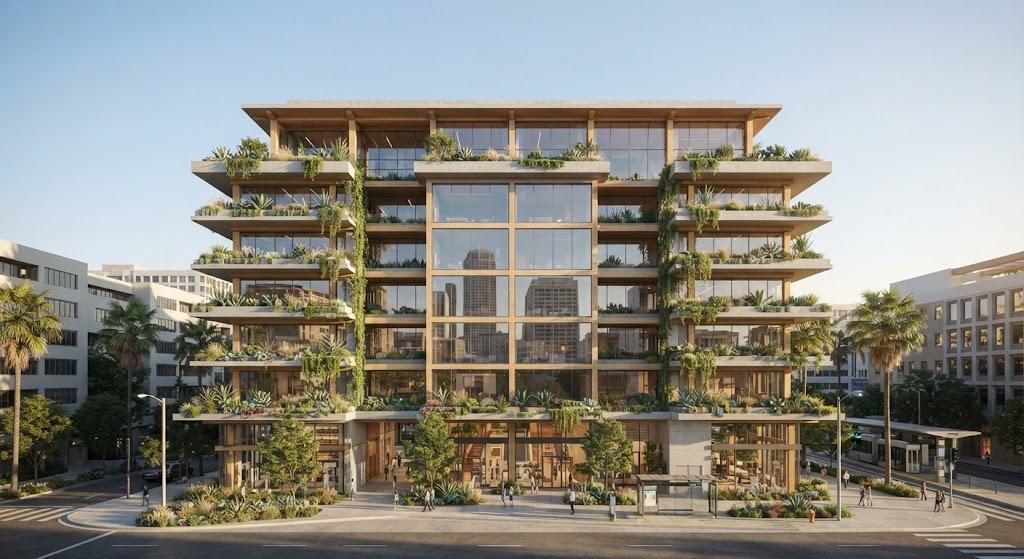
The practical application of this forward-looking investment philosophy is best demonstrated by our signature transit-oriented development (TOD) project in the heart of South L.A.’s Crenshaw Corridor. This upcoming 7-story, 80-unit mixed-use development represents a paradigm shift in how high-density housing interacts with regional infrastructure. Leveraging the City of Los Angeles Transit-Oriented Communities (TOC) Incentive Program, the project maximizes Floor Area Ratio (FAR) bonuses to achieve institutional scale while baking structural energy resilience directly into the building’s core.

Located adjacent to the critical K Line infrastructure, this asset is designed from the ground up to operate as an independent, grid-interactive microgrid. For commercial lenders and equity partners, this technical capability directly translates into the structural de-risking of the property’s operational profile.

Driving NOI by Optimizing OpEx and Energy Arbitrage

Smart-grid integration directly impacts a property’s financial statements by radically optimizing Operating Expenses (OpEx) and expanding Net Operating Income (NOI). Traditional multi-family assets remain entirely exposed to the financial liabilities of peak-load pricing and unpredictable brownouts. Our Crenshaw Corridor asset counters this vulnerability through a sophisticated energy architecture combining:

  • On-site rooftop photovoltaic (PV) generation arrays.

  • Commercial-grade battery energy storage systems (BESS).

  • Automated, AI-driven demand-response software systems.

       [On-Site Solar Arrays] ---> (Clean Energy Generation)
                                             |
                                             v
[Automated Demand-Response] <---> [Battery Storage (BESS)] ---> (Peak Shaving / Grid Export)
                                             |
                                             v
                                {Reduced OpEx & Elevated NOI}

By utilizing localized battery storage, the building dynamically deploys energy arbitrage strategies—storing low-cost power during off-peak hours and utilizing or exporting it during expensive peak demand periods. This structural mitigation shields the asset from volatile municipal utility rates while creating an entirely new, non-traditional ancillary revenue stream through localized grid-stabilization programs.

Navigating the Southern California Regulatory Landscape

Compliance with evolving environmental mandates is a mandatory requirement for preserving terminal asset value. Properties that fail to adapt run the immediate risk of regulatory obsolescence and steep municipal penalties. Ideal Residence’s smart-grid framework exceeds the rigorous demands of the latest CalGreen Building Standards, positioning our portfolio well ahead of state-level net-zero targets.

Furthermore, in an investment climate influenced by local measures such as Measure ULA, developers must maximize structural efficiencies to offset increased transactional frictions. Our eco-resilient design choices directly lower insurance premiums, command premium rents from climate-conscious urban professionals, and significantly enhance capital appreciation metrics upon eventual asset disposition.

The Institutional Conclusion: Capitalizing on the Future L.A. Skyline

The future of the Los Angeles skyline belongs to self-sustaining, grid-interactive real estate assets that actively protect investor capital from macroeconomic and environmental shocks. Smart-grid integration is no longer a speculative premium amenity; it is an institutional necessity for modern portfolio construction. Ideal Residence remains uniquely positioned at the intersection of progressive municipal policy, disciplined capital allocation, and advanced sustainable engineering. We invite qualified institutional joint-venture partners to engage with our executive team as we scale these high-performing, energy-resilient multi-family assets across Southern California’s most vital transit corridors.

CategoriesSustainable Innovation

The ROI of Net-Zero: Why Sustainable Housing is Los Angeles’ Safest Investment

The Los Angeles multi-family housing market is navigating a complex macroeconomic landscape. Institutional investors face a unique combination of strict local regulation, evolving tenant demands, and high municipal transaction costs.

In this climate, traditional development paradigms are yielding diminishing returns. True asset insulation requires looking beyond simple square footage. Forward-thinking capital is prioritizing high-performance, net-zero development as the ultimate mechanism for risk mitigation and capital preservation.

At Ideal Residence, we view sustainable housing not as an idealistic choice, but as a rigorous strategy to protect long-term financial returns. Under the leadership of CEO Lara Okunubi, our investment thesis focuses on building eco-resilient design into structurally changing submarkets. By eliminating fossil fuel dependence and optimizing resource efficiency, we protect our portfolios from volatile energy costs and tightening state climate mandates.

The Economics of Eco-Resilient Design: Expanding NOI and Slashing OpEx

For institutional real estate portfolios, the primary argument for net-zero assets lies in the direct optimization of Net Operating Income (NOI). Traditional multi-family assets face highly volatile utility costs and rising municipal service fees. Net-zero buildings insulate ownership from these shifts by lowering variable Operating Expenses (OpEx) through localized energy infrastructure.

+-------------------------------------------------------------+
|               TRADITIONAL VS. NET-ZERO NOI                  |
+-------------------------------------------------------------+
| TRADITIONAL MULTI-FAMILY      | NET-ZERO ASSET DEPLOYMENT   |
|                               |                             |
| Gross Rental Income           | Gross Rental Income         |
| (-) Volatile Grid Utilities   | (-) Low Smart-Grid OpEx     |
| (-) Escalating Carbon Taxes   | (-) Zero Carbon Penalties   |
| (-) Standard Maintenance      | (-) Predictive Maintenance  |
| = Volatile / Lower NOI        | = Expanded / Stabilized NOI |
+-------------------------------------------------------------+

Integrating solar arrays, high-efficiency heat pumps, and localized water-reclamation systems minimizes grid reliance. When these physical components connect to smart-grid integration software, the property dynamically balances energy loads. This approach turns energy from a volatile liability into a highly predictable, manageable operational cost.

High-performance building envelopes do more than cut carbon; they fundamentally de-risk the asset by replacing unpredictable utility liabilities with stable, long-term operational efficiency.

Furthermore, eco-resilient systems protect physical assets from extreme weather events. Incorporating passive cooling techniques, advanced insulation, and robust stormwater management systems lowers insurance risk profiles. In an era where commercial lenders look closely at climate vulnerability, net-zero construction preserves long-term asset valuation.

Navigating the Southern California Regulatory Gridlock

Los Angeles features some of the strictest municipal real estate frameworks in the United States. Between the financial impacts of Measure ULA and the evolving requirements of the CalGreen Building Standards, standard development tracks face heavy friction. Success in this market requires aligning projects with municipal goals to unlock structural planning advantages.

Utilizing the Transit-Oriented Communities (TOC) Incentive Program allows developers to bypass standard density and parking bottlenecks. By placing projects near major transit hubs, developers can access valuable Floor Area Ratio (FAR) bonuses. These allowances maximize rentable square footage while reducing the cost of expensive subterranean parking structures.

       +-------------------------------------------------------+
       |           REGULATORY ADVANTAGE LIFTCYCLE              |
       +-------------------------------------------------------+
       |  CalGreen Compliance & Transit-Adjacent Site Selection |
       +-------------------------------------------------------+
                                   |
                                   v
       +-------------------------------------------------------+
       |   Unlock TOC Tier Incentives & FAR Density Bonuses    |
       +-------------------------------------------------------+
                                   |
                                   v
       +-------------------------------------------------------+
       | Accelerated Municipal Entitlements & Shorter Timelines|
       +-------------------------------------------------------+
                                   |
                                   v
       +-------------------------------------------------------+
       |  Reduced Carry Costs & Faster Path to Stabilization  |
       +-------------------------------------------------------+

Focusing on net-zero performance also shortens entitlement timelines. Municipal agencies prioritize projects that advance local decarbonization targets. This regulatory alignment saves significant capital by cutting down on holding costs and avoiding prolonged environmental review delays.

Case Study: The Crenshaw Corridor Transit-Oriented Development

The practical value of this investment framework is clear in our latest signature development in South L.A. Located in the heart of the Crenshaw Corridor, this upcoming 7-story, 80-unit mixed-use project serves as a live case study for high-density, sustainable development.

          +-------------------------------------------------+
          |        CRENSHAW CORRIDOR DEVELOPMENT PROFILE    |
          +-------------------------------------------------+
          |  Structure:      7-Story Mixed-Use Community    |
          |  Scale:          80 Mixed-Income Units          |
          |  Location:       South L.A. / K Line Adjacent   |
          |  Framework:      Transit-Oriented Communities   |
          |  Target:         Net-Zero Operational Profile   |
          +-------------------------------------------------+

Strategically positioned next to the K Line infrastructure, this project leverages maximum TOC incentives to optimize urban land use. The design combines market-rate units with dedicated housing for adults with developmental disabilities, working alongside Ideal Program Services to build a truly inclusive community.

Key Performance Infrastructure

  • On-Site Energy Generation: Rooftop solar installations integrated with commercial-grade battery storage to handle peak loads.
  • All-Electric Systems: Zero fossil fuel reliance, completely neutralizing future municipal carbon taxes or retrofit mandates.
  • Smart-Grid Management: Real-time energy monitoring to lower common-area power usage and stabilize monthly OpEx.
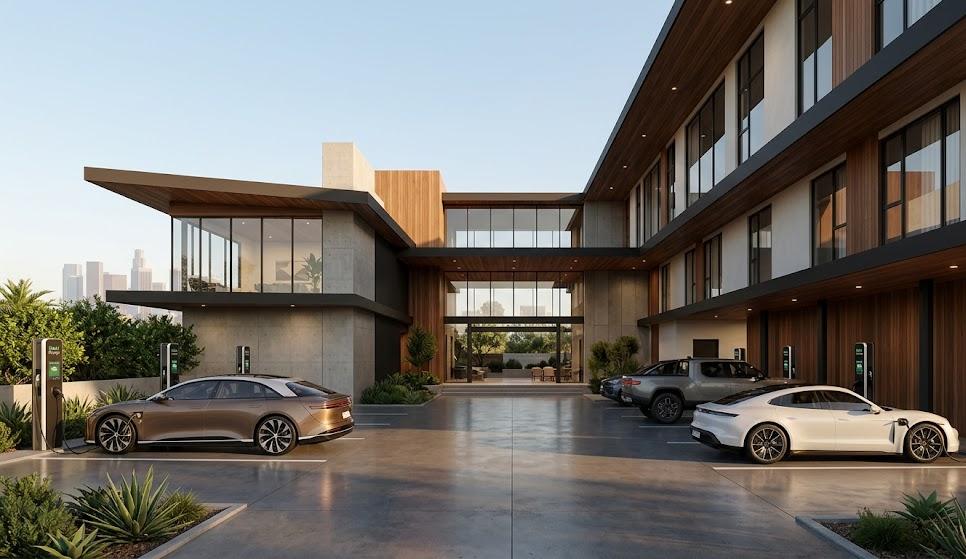
  • Transit-First Access: Comprehensive EV charging stations and secure bicycle storage, allowing for minimized parking minimums.

This intentional design produces an exceptionally stable asset. Lower utility expenses insulate the property from external grid pressures, ensuring a reliable yield for institutional partners. By addressing the critical regional demand for inclusive, transit-adjacent housing, the project positions itself for rapid stabilization and strong tenant retention.

De-Risking Capital for the Future Los Angeles Skyline

The future of the Los Angeles skyline belongs to assets that balance economic productivity with environmental resilience. As state laws push closer to requiring net-zero operations across all commercial portfolios, early adoption is no longer a luxury. It is a critical requirement for avoiding asset obsolescence.

Investing in net-zero multi-family properties protects capital from future compliance penalties, rising resource scarcity, and shifting market demand. For private equity firms and institutional lenders, these assets provide a highly dependable hedge against inflationary operating costs.

Ideal Residence remains committed to leading this transformation across Southern California’s premier submarkets. We invite institutional investors and joint-venture partners to join us as we develop institutional-grade, net-zero housing designed for long-term financial performance.

Ideal Residence develops high-quality, energy-efficient apartment buildings across Los Angeles, delivering smart, sustainable housing solutions for modern urban living.

GET IN TOUCH

County Assessor:
3962 West Martin Luther King Jr Blvd
Los Angeles CA 90008

Administrative Address:
3970 West Martin Luther king Jr.
Blvd, Los Angeles CA 90008

Newsletter

Get latest news & update

© 2025 Ideal Residence. All rights reserved.

© 2025 Ideal Residence. All rights reserved.

Designed by UpTech

about us

Ideal Residence develops high-quality, energy-efficient apartment buildings across Los Angeles, delivering smart, sustainable housing solutions for modern urban living.

get to know us

phone

310-701-7988

phone

310-701-7988

email

info@idealresidence.com

about us

Ideal Residence develops high-quality, energy-efficient apartment buildings across Los Angeles, delivering smart, sustainable housing solutions for modern urban living.

Get in touch

phone

310-701-7988

Ideal Residence, Los Angeles, California, USA

about us

Ideal Residence develops high-quality, energy-efficient apartment buildings across Los Angeles, delivering smart, sustainable housing solutions for modern urban living.

Newsletter

Get latest news & update