
The Importance of Transparency in Modern Real Estate Partnerships
In the dynamic 2026 Los Angeles multi-family market, transparency has evolved from a superficial buzzword into an essential institutional mandate. For developers, investors, and municipal partners, this proactive visibility—defined as clear, consistent communication and access to project metrics—is the cornerstone of resilient asset management. At Ideal Residence, our commitment to this ethos isn’t merely philosophical; it’s a strategic imperative that directly influences Net Operating Income (NOI) and accelerates complex project timelines.
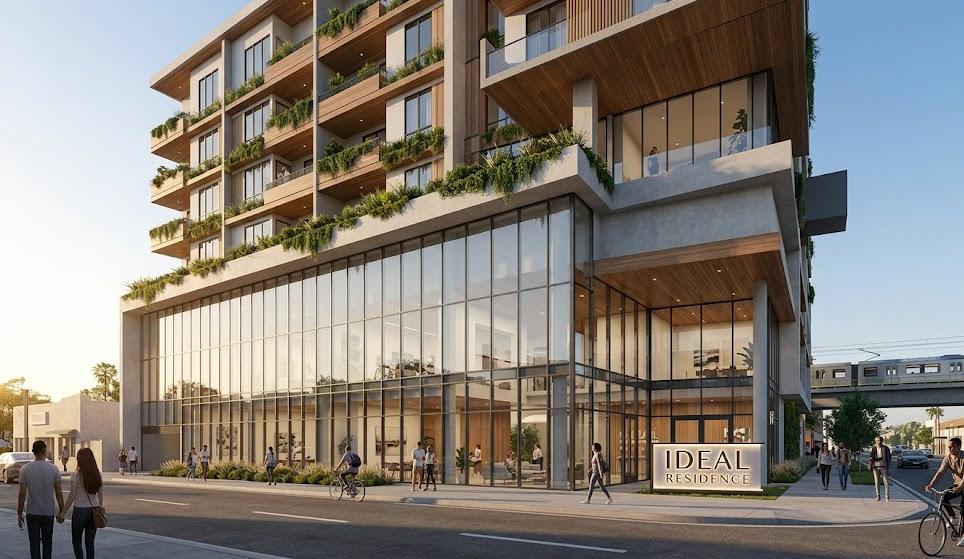
Effective transparency is particularly crucial in regions facing intricate regulatory frameworks and competitive land-use landscapes. In Southern California, and specifically Los Angeles, the combination of Measure ULA implications and the rising costs of CalGreen Building Standards requires precise synchronization between capital partners and development teams. Our upcoming 7-story, 80-unit mixed-use development within the Crenshaw Corridor serves as a primary example of where optimized transparency accelerates successful outcomes.
Driving Project Velocity Through Regulatory Openness
A key challenge for any high-density project in LA is maximizing efficiency within the city’s Transit-Oriented Communities (TOC) Incentive Program. By maintaining radical transparency regarding floor area ratio (FAR) bonuses, height allowances, and set-back requirements with both our equity partners and municipal planning departments, we streamline the entitlement process. This proactive sharing of architectural feasibility studies and traffic analysis reports eliminates informational asymmetry, building the trust necessary for expedited approvals.
Enhancing Investor Confidence and NOI
Institutional partners, from private equity to commercial lenders, require granular visibility into project financials. Our approach includes real-time access to key performance indicators, construction cost variance, and refined Operating Expenses (OpEx) forecasting. By utilizing sophisticated asset management technology, partners can track the positive impact of sustainable innovations, such as smart-grid integration and eco-resilient water systems, on future asset valuation. This open-book philosophy creates the alignment needed to navigate shifting macroeconomic conditions, ultimately de-risking the investment.
In conclusion, the future of the Los Angeles skyline rests not on isolated effort, but on unified, open collaboration. Ideal Residence’s model of sustainable, transit-oriented development depends entirely on cultivating these trust-based relationships, where transparency acts as the fundamental catalyst.
