
Community Advocacy: The Catalyst for Transit-Oriented Development Approval in Los Angeles
By Lara Okunubi, CEO, Ideal Residence
Navigating the entitlement process in Los Angeles is a complex endeavor. In 2026, with the housing crisis at a critical juncture and regulatory frameworks like Measure ULA reshaping the financial landscape, securing project approval requires more than just robust capital stack and architectural vision. It demands a social license to operate.
At Ideal Residence, we view community advocacy not as an obstacle to be managed, but as a foundational pillar of responsible development. By proactively engaging with stakeholders in transit-rich neighborhoods like the Crenshaw Corridor, we transform potential opposition into powerful project endorsements.
The Evolving Landscape of LA Entitlements
The current development environment in South L.A. is defined by opportunity and scrutiny. The arrival of the K Line infrastructure has unlocked immense potential for density, particularly when utilizing the Transit-Oriented Communities (TOC) Incentive Program.
However, developers must operate with heightened awareness of community sensitivities. The specter of displacement is real, and municipal officials are increasingly responsive to grassroots concerns regarding affordability and neighborhood character. A purely top-down, by-right approach often leads to delays, increased Operating Expenses (OpEx), and, in contested cases, outright denial.
To maximize asset valuation and ensure a predictable path to entitlement, developers must embrace a strategy of radical inclusivity and transparency.
De-Risking Through Dialogue: Our Crenshaw Strategy
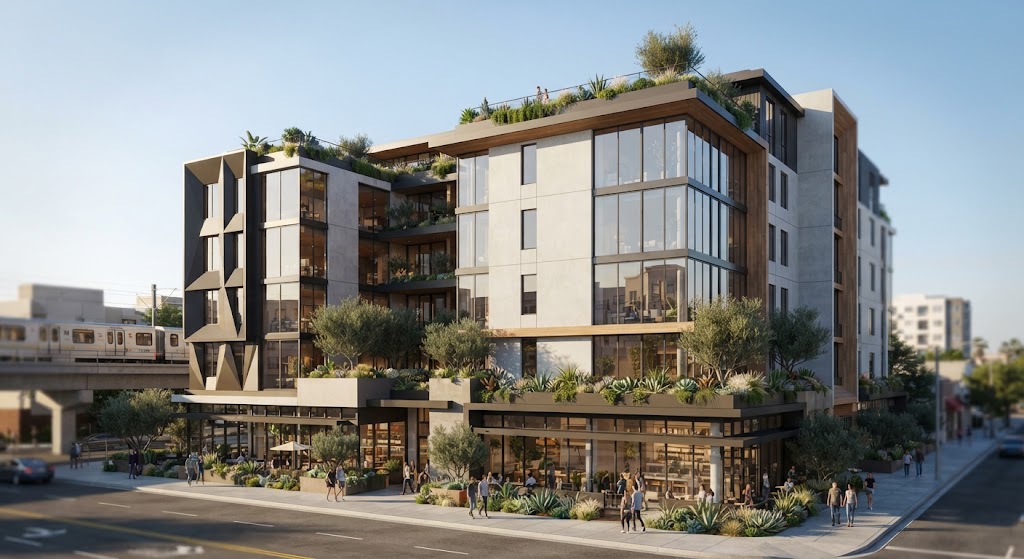
Our upcoming 7-story, 80-unit mixed-use project in the Crenshaw Corridor serves as a live case study for this philosophy. Before submitting a single application, we initiated a six-month listening tour with local neighborhood councils, faith-based organizations, and long-time residents.
This was not a cursory information session. We adapted our architectural massing based on feedback, reducing the perceived scale of the building from the street level and incorporating retail spaces prioritized by the community, rather than generic national tenants.
Key steps in our community-first strategy included:
-
Co-design Workshops: Hosting charrettes where residents provided input on ground-floor amenities and landscaping.
-
Local Hiring Pledges: Committing to a local workforce initiative for both construction and permanent operational roles.
-
Affordability Alignment: Ensuring the project met and exceeded TOC Tier 3 requirements, addressing the acute need for workforce housing in the area.
The Economic Dividend of Community Support
When community advocacy shifts from adversarial to supportive, the economic benefits are tangible. The time-to-entitlement is drastically reduced, directly impacting the project’s Internal Rate of Return (IRR). A delayed project faces increased holding costs and construction cost inflation.
Furthermore, a project endorsed by the local council district is viewed more favorably by institutional investors and commercial lenders. It de-risks the investment, signaling that the development has social and political durability. By adhering to CalGreen Building Standards and incorporating smart-grid integration, we further align our projects with municipal goals, securing Floor Area Ratio (FAR) bonuses that enhance Net Operating Income (NOI).
A Blueprint for the Future
Community advocacy is not merely a concession; it is the most effective tool for unlocking density and achieving successful project approval in Los Angeles. As we look to the future of the L.A. skyline, Ideal Residence remains committed to this collaborative model.
We believe that by building with the community, we are not only securing entitlements but also building a more resilient, equitable, and prosperous city for all Angelenos.
We invite prospective joint-venture partners and stakeholders to connect with our team to learn more about our upcoming pipeline of transit-oriented developments.
